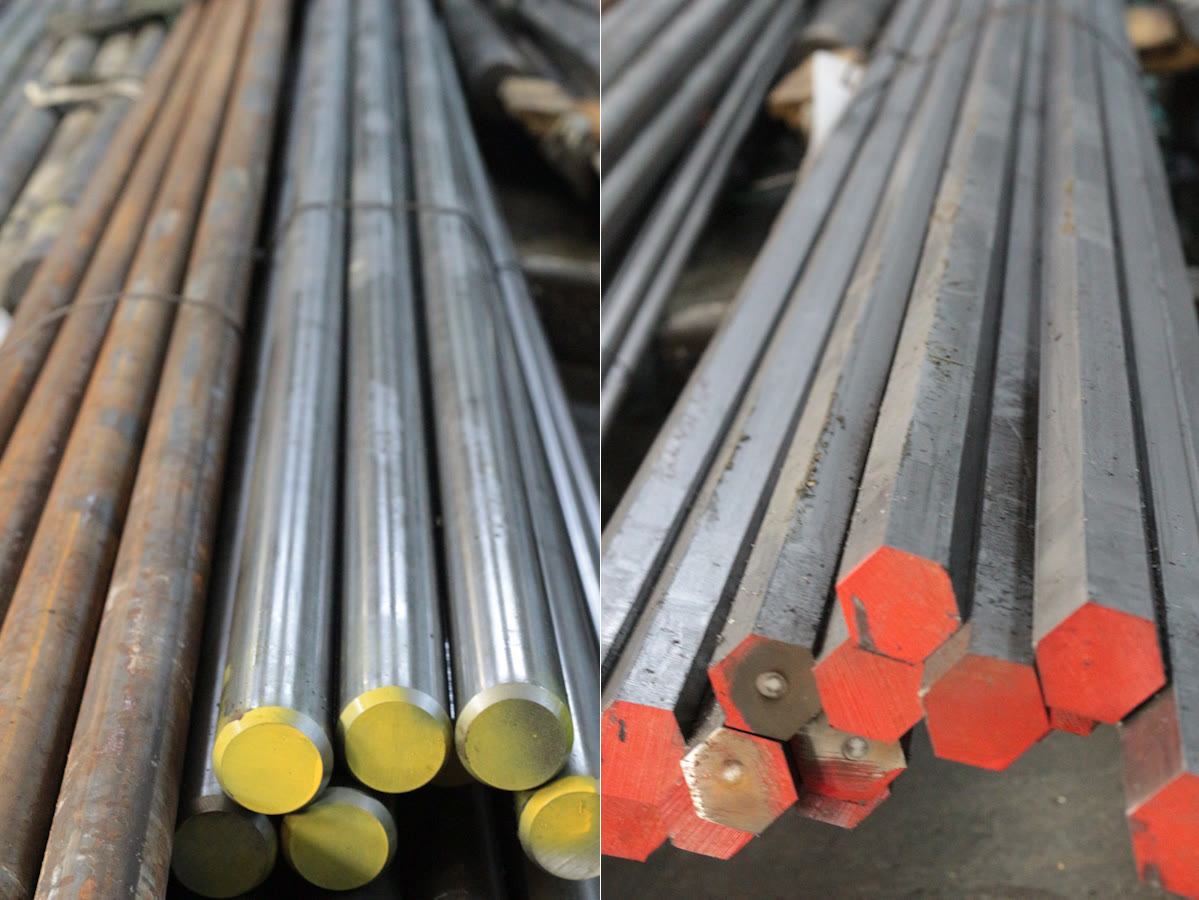
Steel and aluminium are the two most commonly used metal groups in CNC machining. Both are highly machinable, but they differ significantly in density, strength, corrosion resistance and cost.
This guide explains which material is more suitable under what circumstances, using practical criteria.
Machinability Comparison
Aluminium (6082, 7075) machines 3-5x faster than steel. This significantly reduces machine time cost and partially compensates for the higher per-kg material price.
Stainless steel (316L, 304) is among the most challenging common materials to machine. High tool wear, low cutting speeds and frequent tool changes increase cost.
Weight and Strength Trade-off
Aluminium density is approximately 2.7 g/cm³ versus 7.8-8.0 g/cm³ for steel. This 3x density difference makes aluminium the clear choice in weight-critical applications (aerospace, automotive, portable equipment).
However, for load-bearing or impact-loaded applications, steel remains superior. Alloy steels such as 42CrMo4 are preferred for shafts, gears and fasteners requiring high fatigue strength.
Corrosion Resistance
Aluminium has natural corrosion resistance through its oxide layer. Anodising further enhances this. Structural steels (S235, 1.7225) require protection in humid or chemical environments.
Stainless steel (304/316L) is preferred in applications requiring both mechanical strength and high corrosion resistance (food, medical, chemical industries).
✓Corrosion resistance + high strength required → Stainless steel 316L
✓Cost pressure is high, adequate strength → Structural steel S235/S355
✓Prototype + fast delivery + easy machining → Aluminium 6082 (most common choice)
FAQ
Frequently asked questions
Is aluminium or steel cheaper to machine?
Structural steel has a lower per-kg material cost. However, aluminium machines much faster, which can bring total unit cost to similar levels. For small, lightweight parts aluminium is often more economical overall.
What is the difference between 7075 and 6082 aluminium?
7075 is used for high-strength applications (like aerospace components) and costs approximately 40% more than 6082. 6082 is the most common industrial aluminium alloy offering good strength and excellent corrosion resistance.
Why is stainless steel more expensive to machine?
Stainless steel tends to work-harden during cutting, causing high tool wear. This requires slower cutting speeds, more frequent tool changes and consequently higher machine time costs.
RFQ
Send your drawing for a manufacturing review
Start with quantity, material, quality requirements and delivery country.